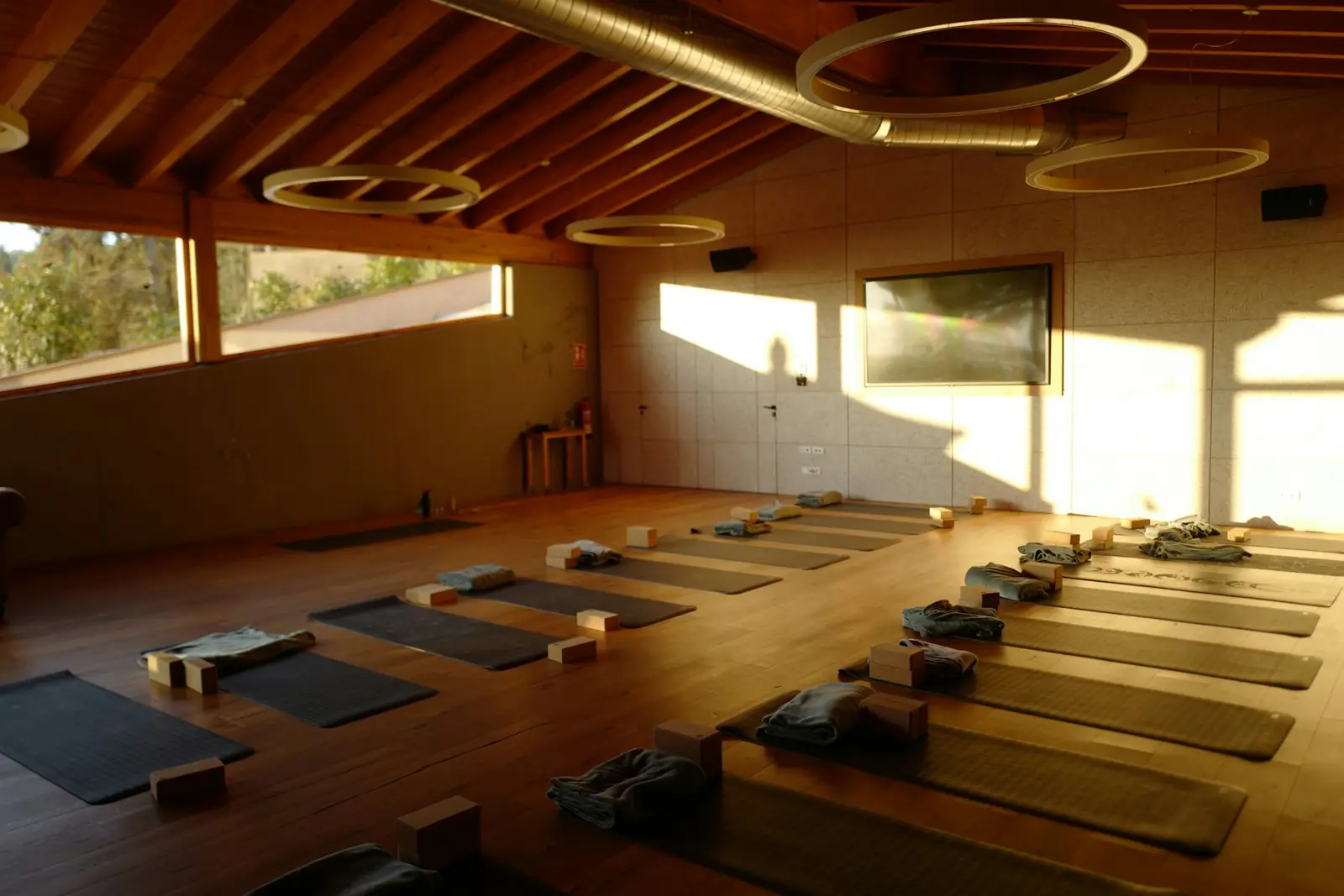
Use Instagram to make strangers comfortable enough to try a class, not to fill tomorrow’s 07:00. Show the room, the teachers and real members (with permission), explain what a first class is like, and make booking one tap from your bio and stories. Fill existing classes with direct messages to people who already know you, not with posts. Measure intro bookings that came from Instagram, not likes.
What Instagram is good for, and what it isn’t
| Good for | Not good for |
|---|---|
| First impressions: is this studio for me? | Filling a specific class at short notice |
| Showing teachers’ personalities | Reaching existing members reliably (the feed decides) |
| Local discovery through collaborations | Explaining prices and policies |
| Social proof: real people, real classes | Measuring sales without tracking |
People who already know you are better reached by app, email or WhatsApp, where you choose who sees what. Instagram’s job is the people who don’t know you yet.
Content that brings first bookings
- ”Your first class” walkthrough. Door, front desk, socks, the reformer set-up, the teacher’s welcome. Nerves are the biggest barrier for beginners.
- Teacher introductions. Who they are, what their class feels like, who it suits.
- Class explainers. What’s the difference between Reformer Flow and Reformer Strength? A 30-second reel answers what a timetable can’t.
- Real members, with permission. Milestones, before-and-after confidence (not bodies), quotes.
- Behind the scenes. Spring changes, cleaning, new equipment arriving.
- Local. Your street, the café next door, the beach walk after class. People search places, not just “Pilates”.
It puts off the beginners you most want, and members rarely want their bodies shown. Talk about strength, posture and how people feel.
Make booking one tap
- Bio link straight to your intro offer, not your home page.
- Book button on your profile, if your booking system supports it.
- Stories with a link sticker to a specific class or the intro pack.
- Highlights for: First class, Prices, Timetable, Teachers, Location.
- Reply to every DM within a few hours. A DM about a first class is a lead.
Collaborations
Partner posts with local businesses (cafés, physios, running clubs, clothing shops) reach people near you who are already interested in health. A joint giveaway of an intro pack can work well; check that it follows Instagram’s promotion rules and your local consumer rules, and that the prize is real and clearly described.
How much time to spend
Plan a month at a time in one session, film in batches, and post three to four times a week plus stories on class days. Spend more effort on the DM inbox and the first-class experience than on polish. A studio that answers DMs fast and runs a great first class beats a studio with a beautiful grid.
Measure what matters
| Metric | Why |
|---|---|
| Intro bookings with Instagram as source | The number that pays |
| DMs about classes per week | Leads you can convert |
| Link taps from bio and stories | Interest becoming action |
| Profile visits from non-followers | Reach to new people |
Use a tracking link (with UTM tags) in your bio and ask “How did you hear about us?” at first booking.
If someone spends four hours a week on Instagram, about 200 hours a year, and your intro-to-member conversion is 30% with members worth €1,000 each over their stay, seven intro clients a year from Instagram means about two new members, roughly €2,000 of value, or €10 for each hour spent. Track the real number; if it’s far below that, shift time to referrals and Google.
Our assumptions, chosen to show the method. Put in your own numbers.
A four-week content plan
| Week | Mon | Wed | Fri | Stories (class days) |
|---|---|---|---|---|
| 1 | Teacher intro: Marta | “Your first class” reel | Member milestone (with permission) | Today’s classes with spots left |
| 2 | Class explainer: Reformer Flow vs Strength | Behind the scenes: spring changes | Local partner: the café next door | A poll: “Morning or evening person?” |
| 3 | Teacher intro: João | Beginner’s question answered | New class announcement | Teacher takeover for a day |
| 4 | Class explainer: what is barre? | A 30-second move to try at home | Community event or workshop | “3 spots left” for a quiet class, with link |
Batch-film a month in one afternoon: three teachers, two class explainers, the first-class walkthrough, and room shots in good light.
Reels that work for studios
| Reel | Length | Hook in the first 2 seconds |
|---|---|---|
| Your first class | 30–45 sec | “Nervous about your first reformer class? Here’s exactly what happens.” |
| Teacher intro | 20–30 sec | The teacher saying one line about who their class is for |
| Class explainer | 20–30 sec | “Flow or Strength? Here’s the difference.” |
| One move | 15 sec | “Try this between meetings.” |
| Behind the scenes | 15–20 sec | Setting up the room at 06:30 |
Use captions on every reel: many people watch with the sound off.
Captions that lead to bookings
Never done reformer? Most of our members hadn’t either. Arrive 10 minutes early, grip socks on (we sell them), and Marta will set up your bed with you. Your first three classes are €45. Link in bio.
Meet João. Strength-focused, patient with beginners, terrible jokes. He teaches Tuesday and Thursday 07:00 and Saturday 10:00. Book his class: link in bio.
Turning DMs into bookings
| DM | Reply |
|---|---|
| “How much is a class?” | Give the intro price and the link, then offer to answer anything else |
| “I’ve never done Pilates, is it OK?” | Reassure, suggest a beginner-friendly class by day and time, send the link |
| “Do you have parking?” | Answer, then suggest a class |
| “Are you open on holidays?” | Answer with the holiday timetable link |
Save these as quick replies so anyone on the team answers in the same way.
Collaborations that reach new people
- Local cafés: a joint post, a free coffee with the intro offer.
- Physios and osteopaths: a “Pilates after injury” explainer together.
- Clothing shops: a styled shoot in the studio.
- Running clubs: “Pilates for runners” workshop.
- Hotels: guest passes for visitors (good for quiet daytime slots).
Instagram and AI search
AI assistants mostly rely on your website, Google profile and reviews. Instagram helps indirectly: a clear bio with your location and classes, consistent name and address, and a link to your website all reinforce what assistants read elsewhere. See get recommended by AI.
Paid ads, briefly
| Setting | Start with |
|---|---|
| Objective | Traffic or leads to your intro offer page |
| Audience | People within 3–5 km, interested in fitness, yoga or Pilates |
| Creative | Your best “first class” reel |
| Budget | A small daily amount for 2–3 weeks |
| Measure | Intro bookings from the ad link (UTM-tagged) |
Stop or change anything that doesn’t bring intro bookings within a few weeks.
Questions owners ask
Should I pay for Instagram ads?
Small, local, targeted ads promoting your intro offer can work. Start with a small weekly budget, send people to the intro page, and judge by intro bookings, not clicks.
Do I need professional photos?
A few good photos of the room and teachers help. Most content works better filmed on a phone: it looks like the real studio.
Is TikTok worth it for a studio?
It can reach young local audiences. Treat it the same way: first-class nerves, teachers, real members, with booking one tap away.
Can I post members in classes?
Only with clear permission, ideally written, and an easy way to opt out later. Some members never want to appear, and that’s their call.
How many followers does a studio need?
Followers matter less than local reach and bookings. A few hundred engaged local followers can fill more classes than thousands from elsewhere.
Should teachers post from their own accounts?
Yes, and tag the studio. Teachers’ followings are often a studio’s best source of new clients.
What about Facebook?
Useful for local community groups and older audiences in some areas. Share events and workshops there; keep the same booking links.
Checked 24 November 2026. Prices and rules change, so check the source before you rely on a figure. This guide is general information, not legal, tax or financial advice.

Ross Williams is co-founder of Fortitude Media, the company in Cascais that makes Fortitude Flow. He has built subscription businesses online since 1998 and wrote Subscribe and Conquer, a playbook for them.